harness.moe
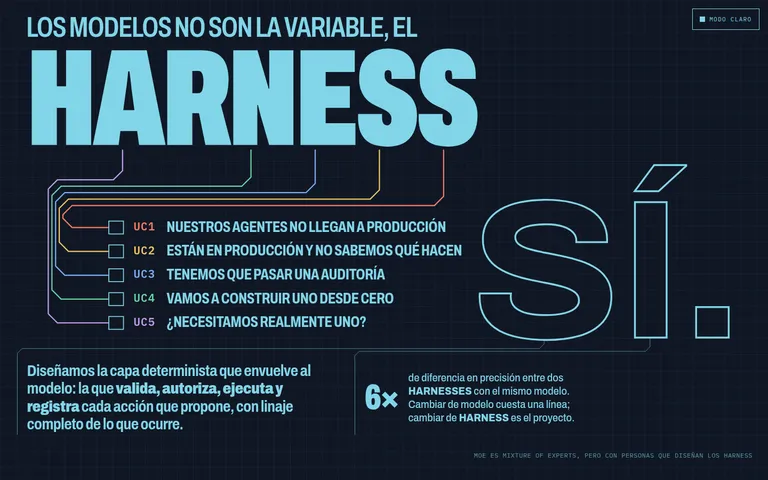
Agent harness engineering under one thesis: the models are not the variable, the harness is. Design of the deterministic layer that validates, authorizes, executes and logs every action the model proposes.
I'm a software engineer and product builder. I like building tools that solve concrete problems, taking them all the way to something people can actually use and, when it makes sense, publishing them. Lately a large part of my work revolves around AI and agentic systems: how to design them, govern them and make them useful beyond a demo.
I also explore everything that sits near that frontier: security, LegalTech, open data, open source and research. In parallel I build for enterprise, desktop apps and developers, and I publish packages when it makes sense. I have a particular interest in the synthetic personality of AI models and in understanding what really happens when we turn a model into a system.
This portfolio is, basically, the record of the things I build, research and learn along the way.

Agent harness engineering under one thesis: the models are not the variable, the harness is. Design of the deterministic layer that validates, authorizes, executes and logs every action the model proposes.

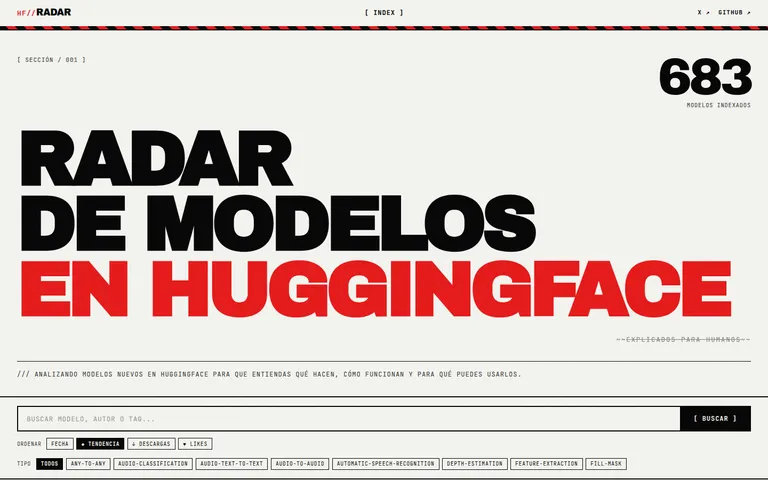
Radar of open-source models on HuggingFace explained for humans: tracks new models, what they do, how they work and what you can use them for. 682 models indexed.

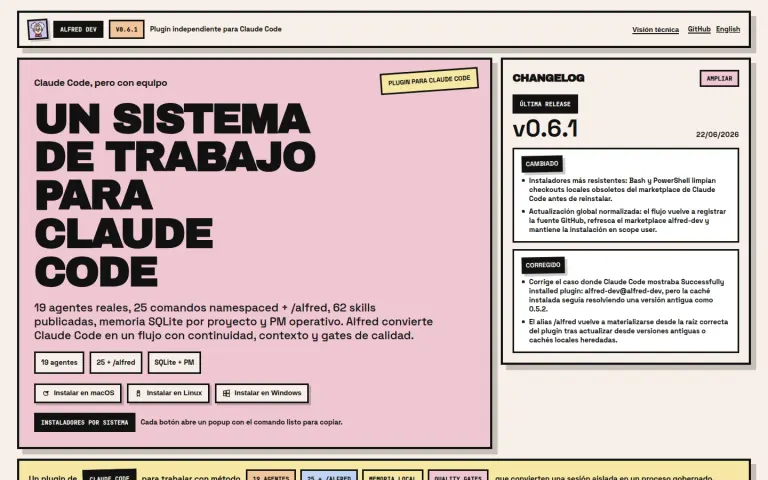
Claude Code plugin that turns an isolated session into a governed flow: 19 agents, 25 commands, 62 skills and per-project SQLite memory.

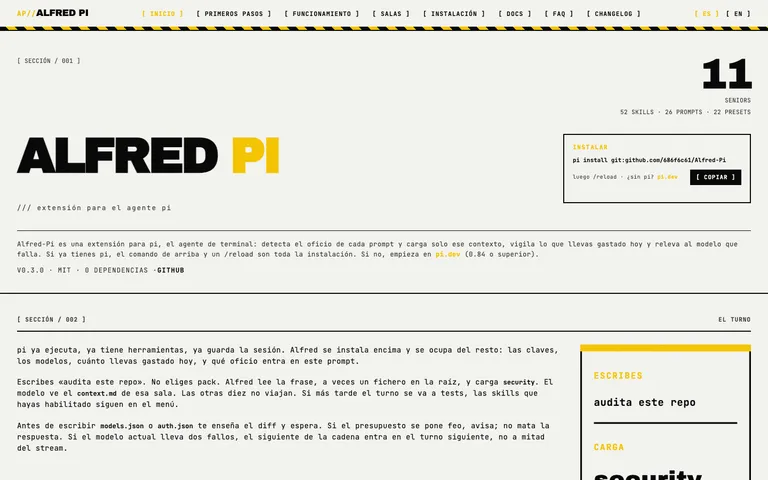
A product harness for pi: 11 packs, 52 skills and 26 prompts, daily budget, provider relay and 22 presets. A harness.moe product.

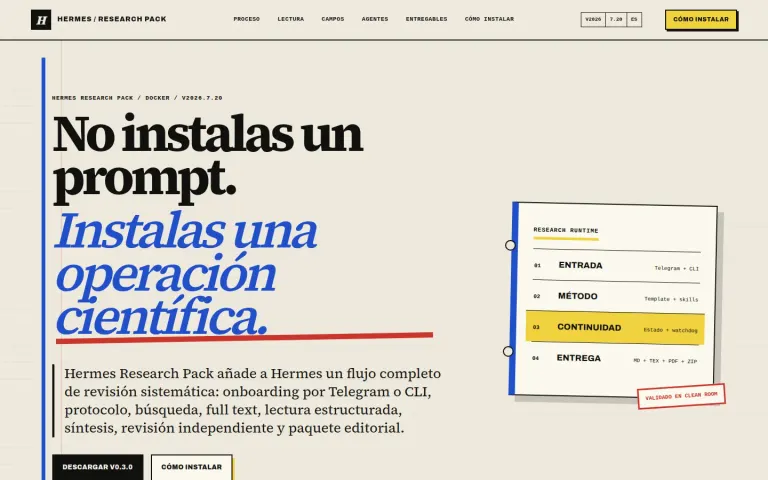
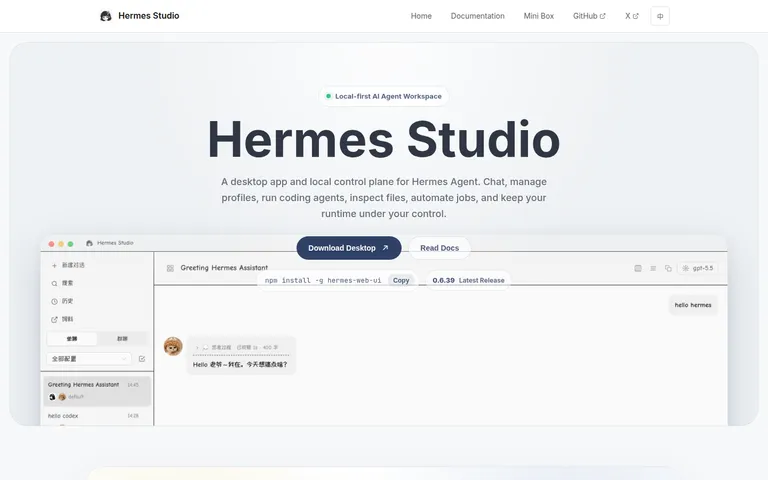
A pack that turns a Hermes install into a complete scientific operation: PRISMA systematic reviews via Telegram or CLI, with state outside the chat and an editorial package.

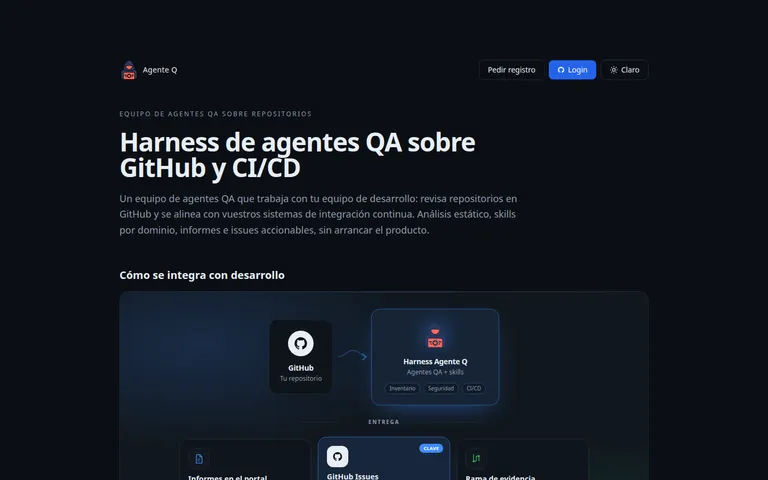
A QA-agent harness over repositories: it coordinates quality, security and CI/CD skills on GitHub, with static analysis, reports and actionable issues.

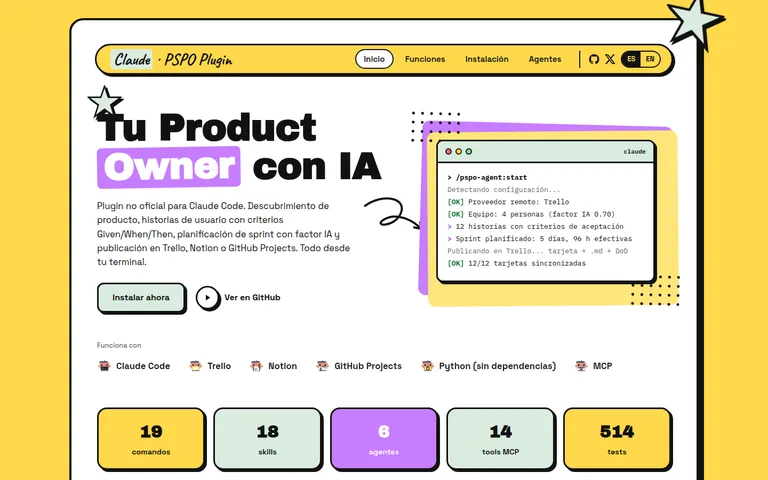
Product Owner plugin for Claude Code: Given/When/Then user stories, sprints with an AI factor and publishing to Trello, Notion or GitHub Projects.

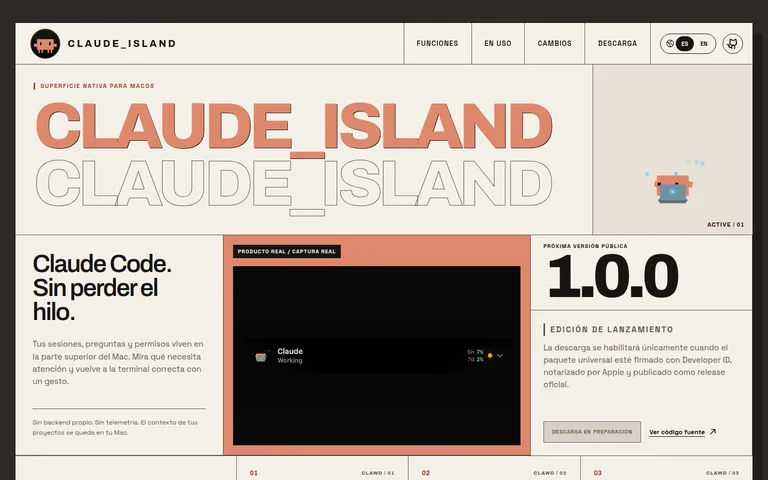
Native macOS control surface for Claude Code, attached to the MacBook notch: sessions, permissions and subagents at a glance.

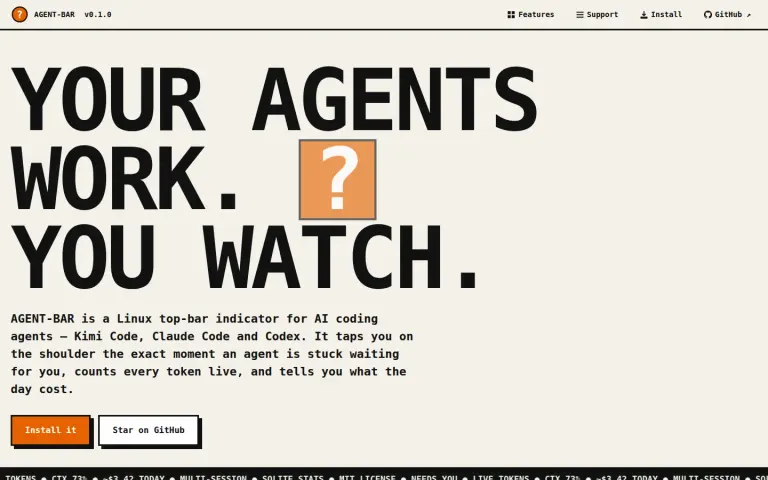
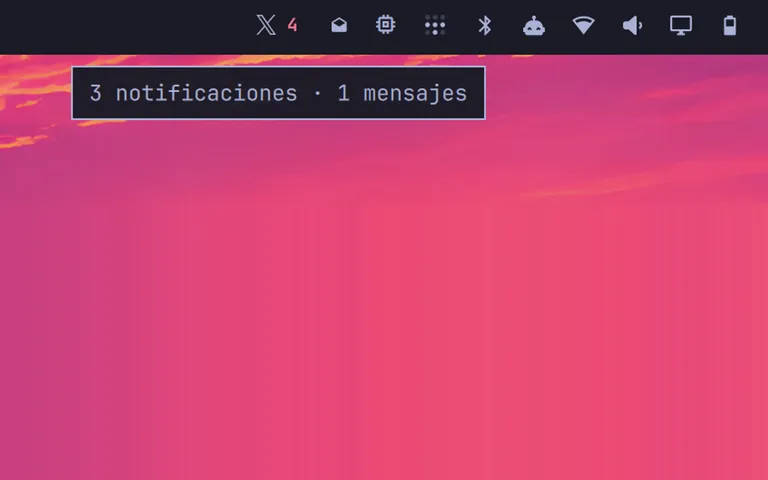
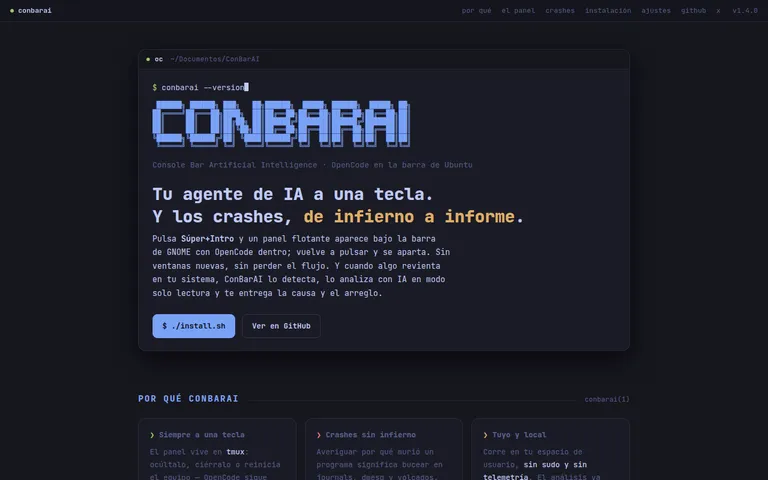
Linux top-bar indicator watching your AI coding agents (Kimi Code, Claude Code, Codex): "needs you" alerts with the exact question, live tokens, context % and daily cost.

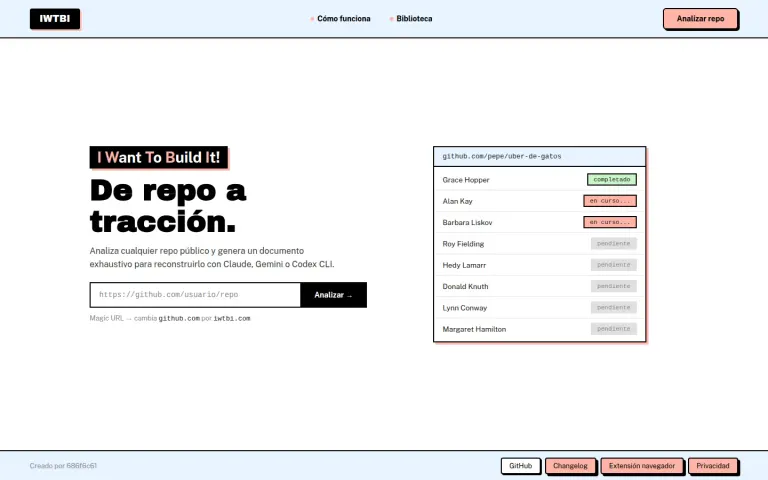
Turns any public GitHub repo into an exhaustive brief to rebuild it with coding agents: 8 specialist agents working live.

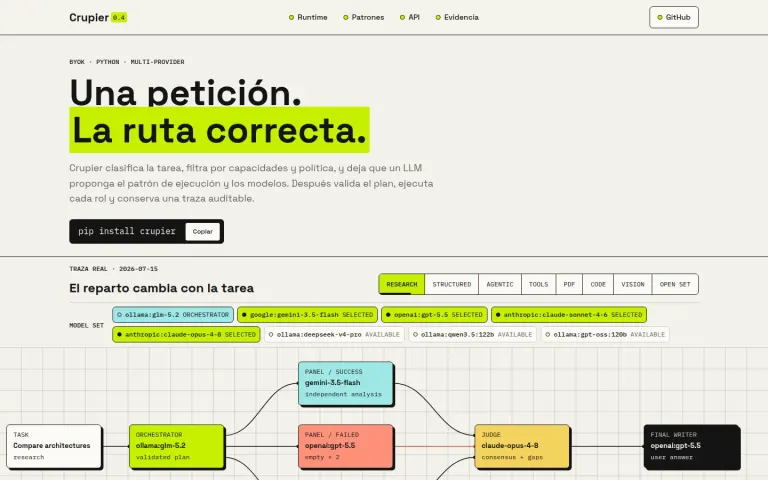
Multi-provider LLM orchestration in Python: the LLM proposes the plan and policy decides whether it may run.
Real-time Claude Code status on an external LCD screen (Waveshare RP2350-LCD-1.47).
Self-hosted Open WebUI in Docker, prewired to the NaN catalog: chat, vision, voice, RAG and images with your API key.

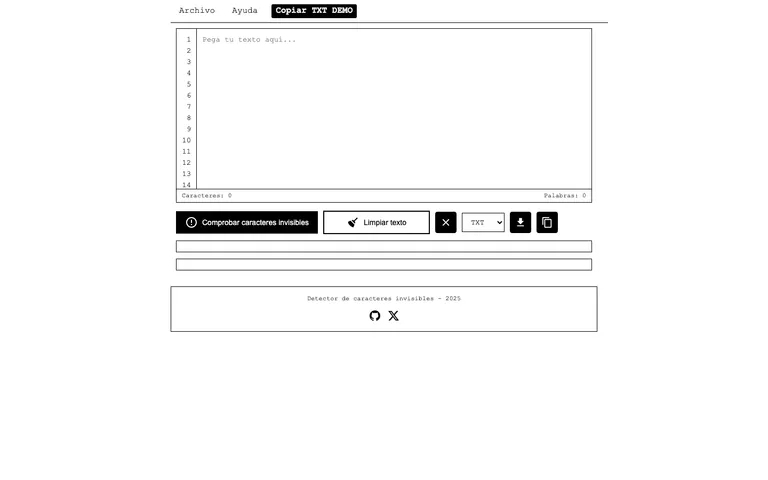
A web detector of invisible Unicode characters in AI-generated text: heatmap, statistics and cleanup, all in the browser.

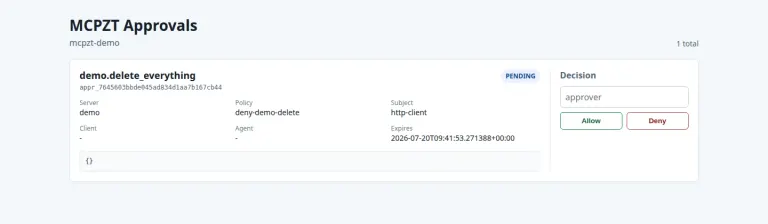
Self-hosted Zero Trust layer for MCP servers: hides tools, blocks calls, requires human approval and audits every decision.

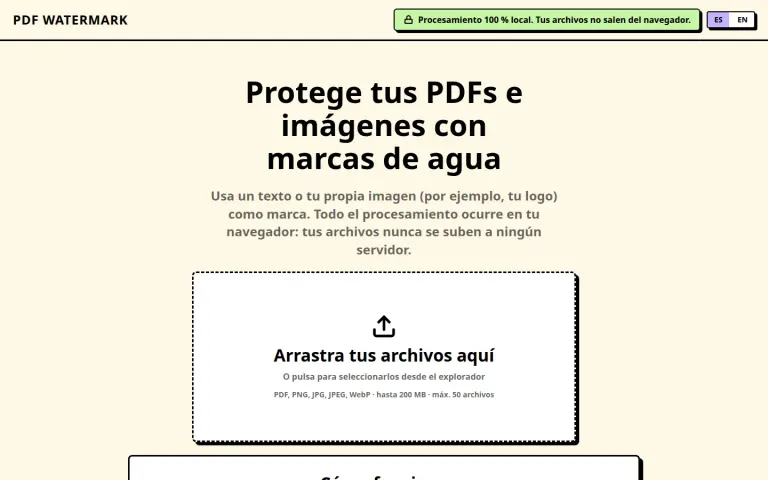
Watermarks for PDFs and images 100% in the browser: your files never leave your device.

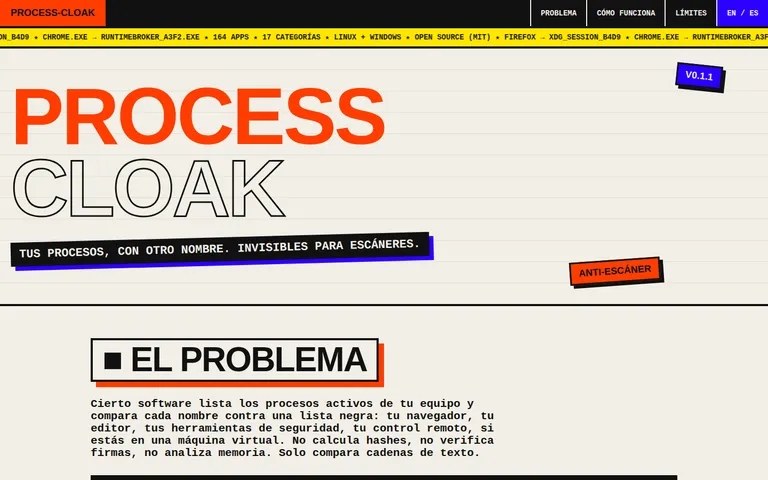
Camouflages running processes by renaming them with system service names, invisible to standard process scanning. Linux and Windows.

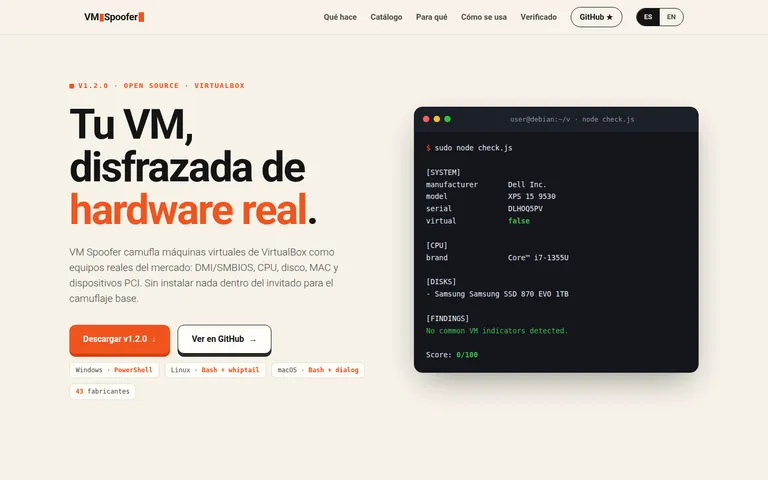
Camouflages VirtualBox virtual machines so they are not detected by systeminformation. Changes DMI/SMBIOS, CPU, disk, MAC and PCI devices with real hardware profiles.

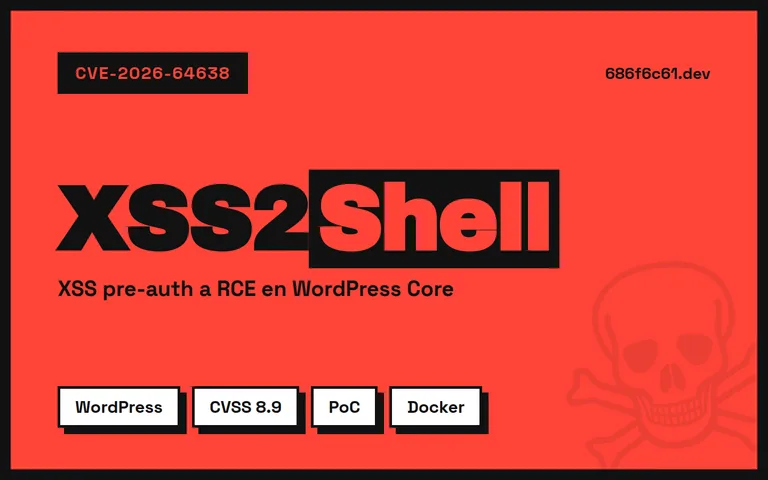
Working PoC of CVE-2026-64638 (XSS2Shell): a pre-auth XSS-to-RCE chain in WordPress Core, with a Docker lab and a Python attacker server.
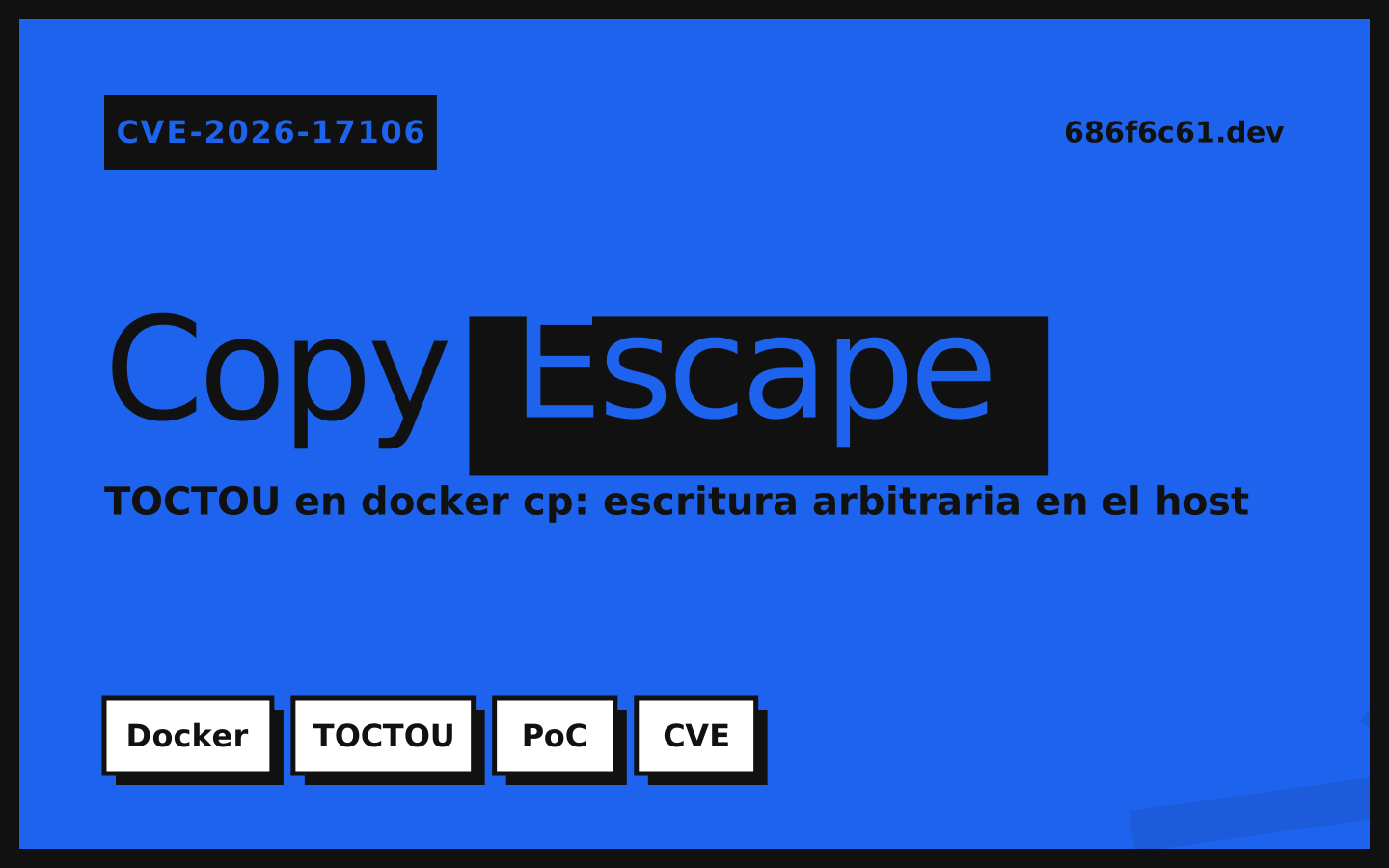
Working PoC of CVE-2026-17106 (CopyEscape): a TOCTOU race in docker cp that lets a malicious container write arbitrary files on the Docker host.
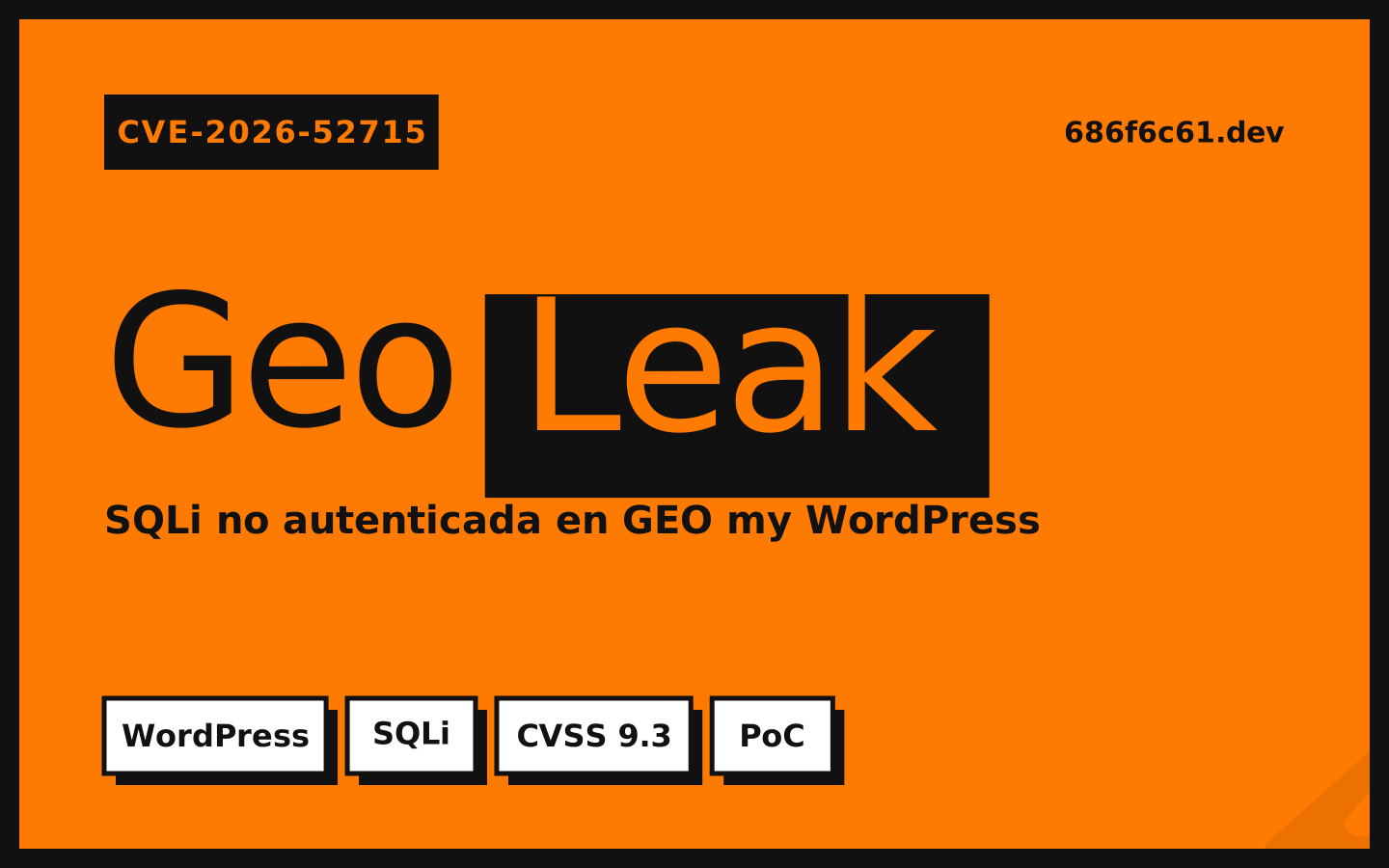
Working PoC of CVE-2026-52715 (GeoLeak): unauthenticated SQL injection (CVSS 9.3) in GEO my WordPress <= 4.5.5 via swlatlng/nelatlng, with a Docker lab and a time-based, boolean-based and exfiltration exploit.

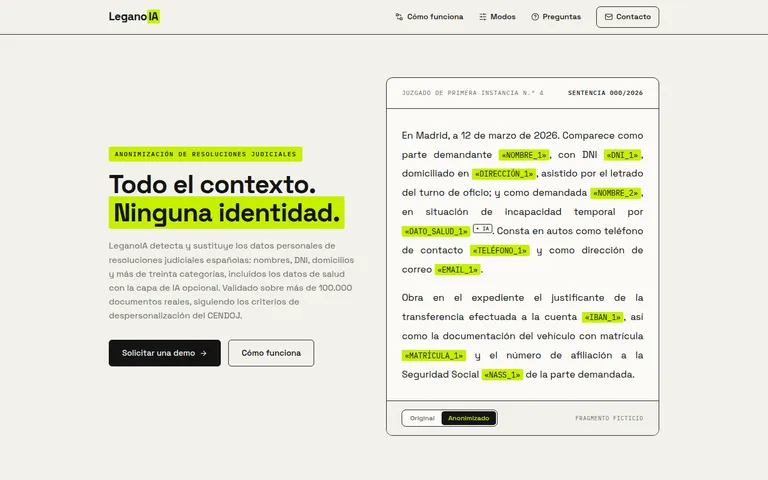
Anonymization of Spanish legal documents: a deterministic engine plus an optional AI layer, validated on more than 100,000 real documents.

Reads your legal brief, extracts every regulatory reference and checks against the BOE and EUR-Lex whether it is still in force, was amended or has been repealed.

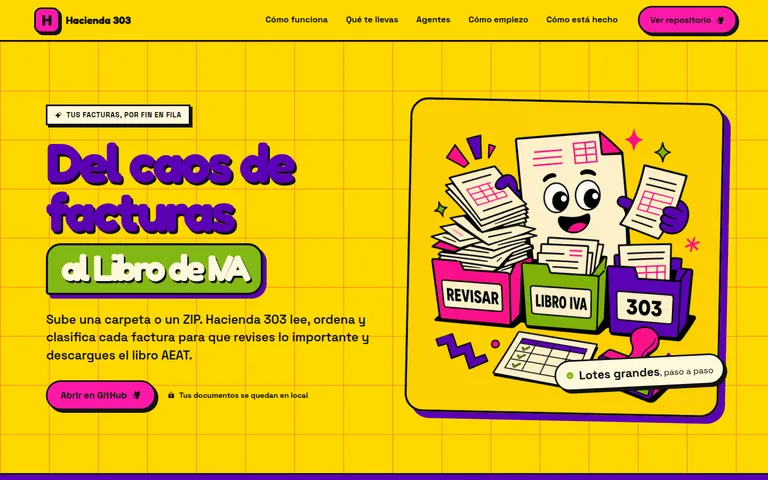
Classifies batches of invoices, prepares the VAT ledger and reconciles the Spanish Modelo 303 with a local, traceable and reviewable flow, with AEAT traceability.

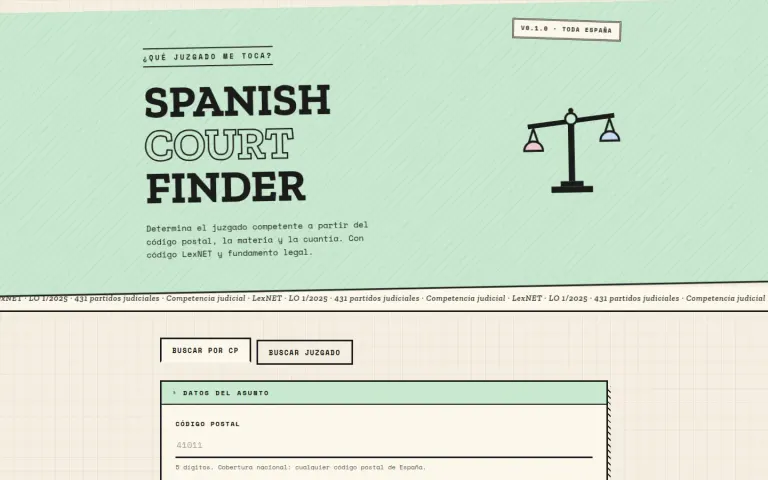
Which court has jurisdiction? Determines the competent Spanish court by postal code, legal matter and amount, with LexNET code and legal basis.

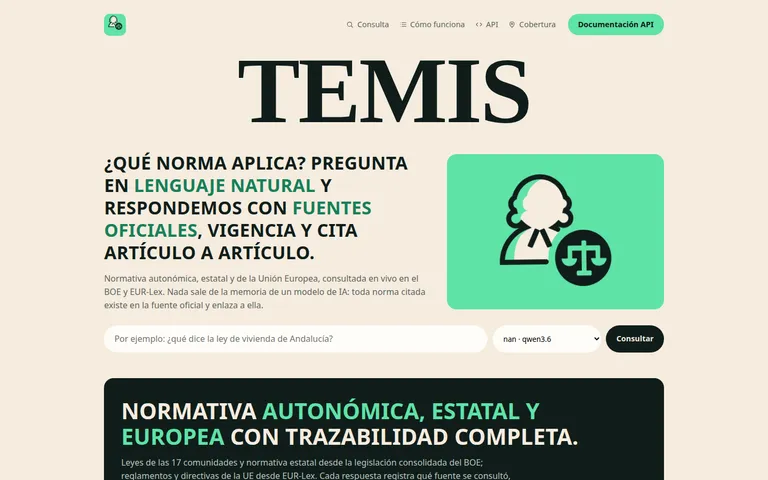
API to query regional, national and EU legislation in natural language with AI, citing article by article from official sources (BOE and EUR-Lex).

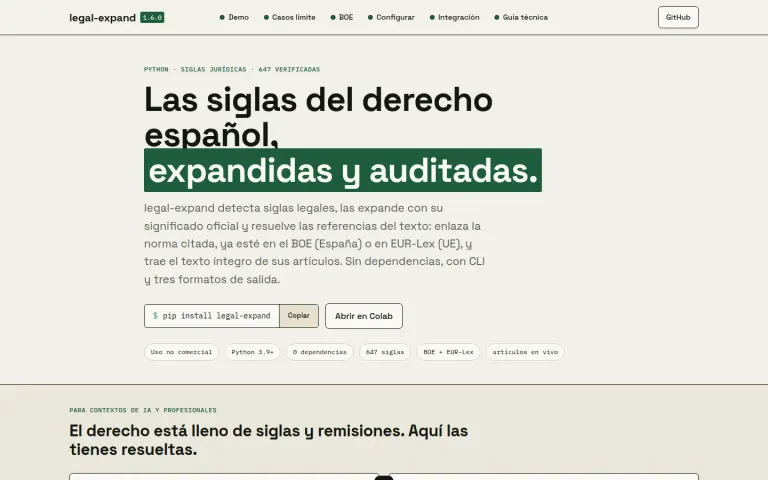
Spanish legal acronyms, expanded and audited: 647 verified, with BOE and EUR-Lex resolution.

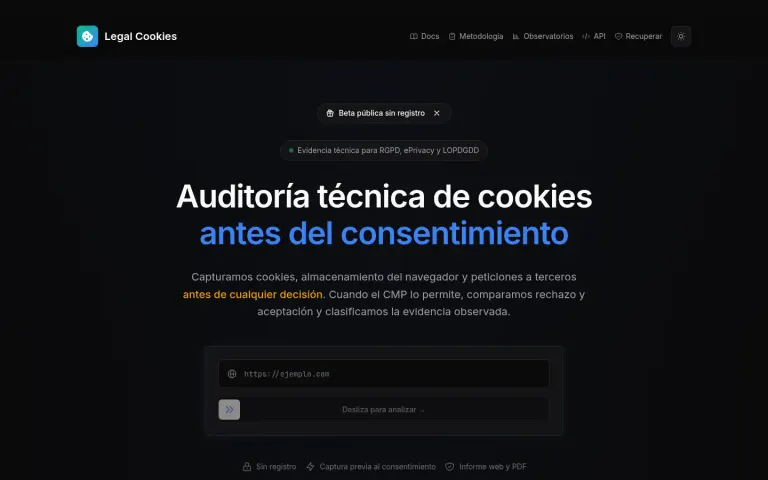
Automated technical audit of cookies before consent, with web and PDF evidence reports for GDPR.

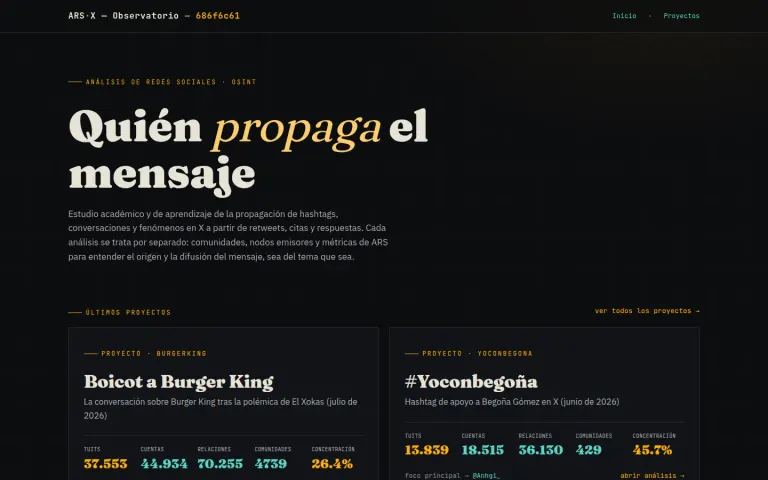
OSINT observatory of message propagation on X: communities, emitter nodes and bridges, with open data.

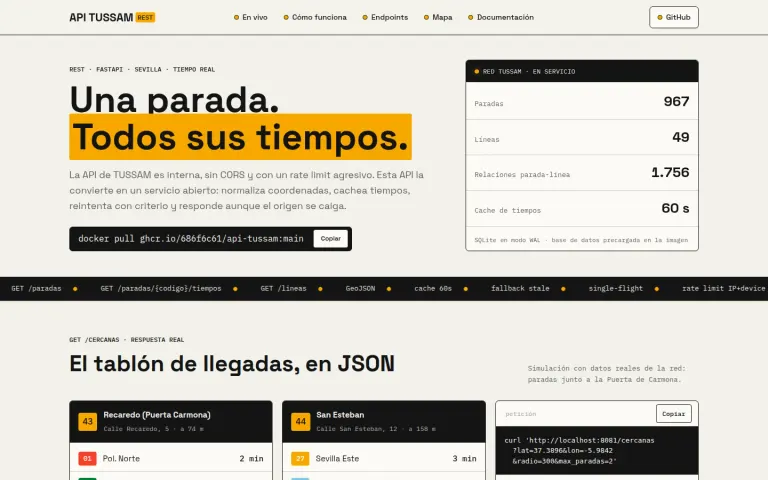
Open REST proxy for TUSSAM's internal API: Seville's 967 bus stops in JSON, with caching and resilience.
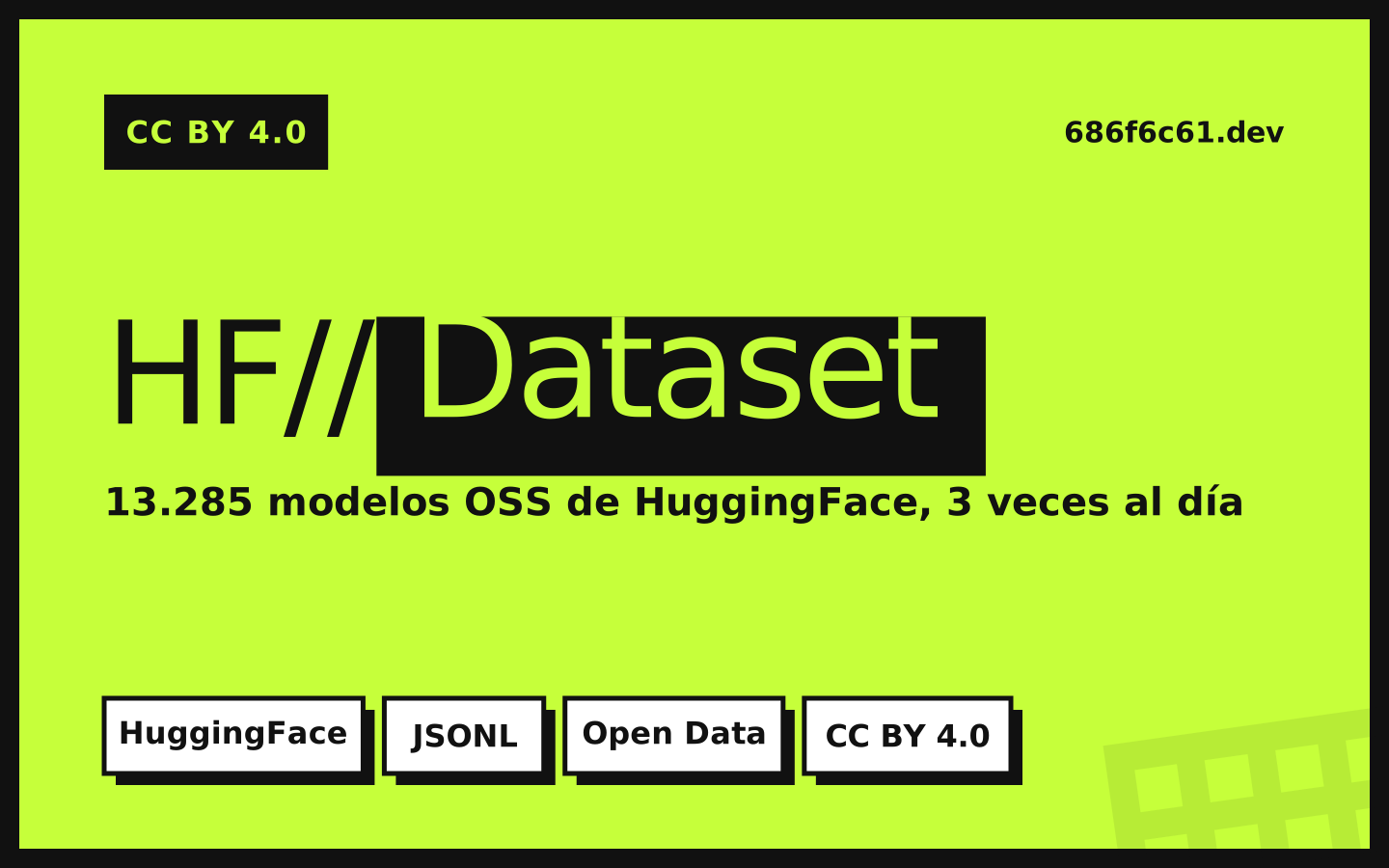
Open dataset of 13,285 HuggingFace OSS models: normalized metadata, classified licenses, real parameter counts, gravestones of withdrawn models and a technical card in Spanish. Updated 3 times a day.

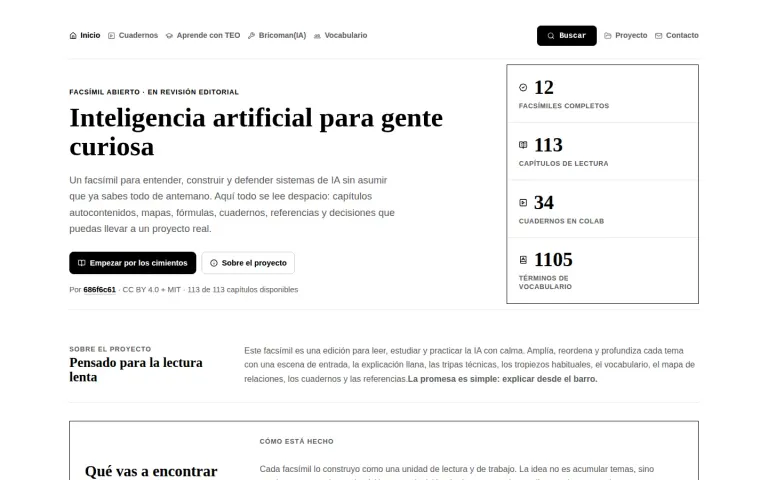
Open facsimile to understand, build and defend AI systems: 12 installments, 113 chapters and a 1105-term glossary.

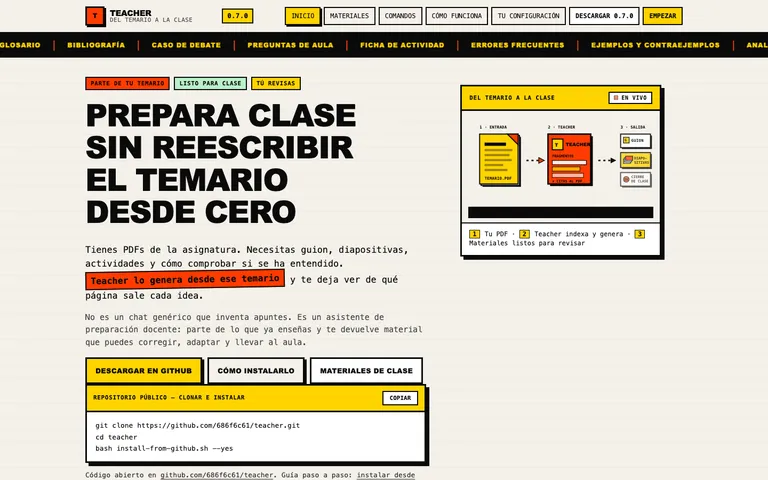
Prepares classes from your real syllabus: lesson plan, slides, exercises, wrap-up and assessment, with citations to the PDF page.

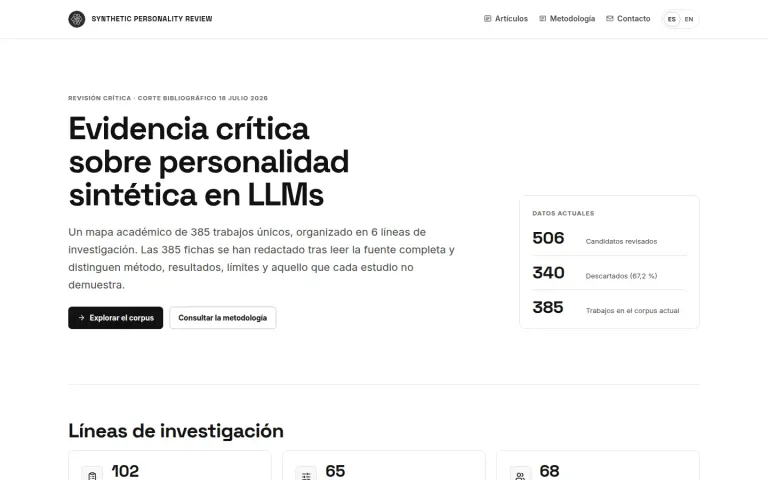
Academic map of 385 papers on synthetic personality in LLMs, critically reviewing method, results and limits.

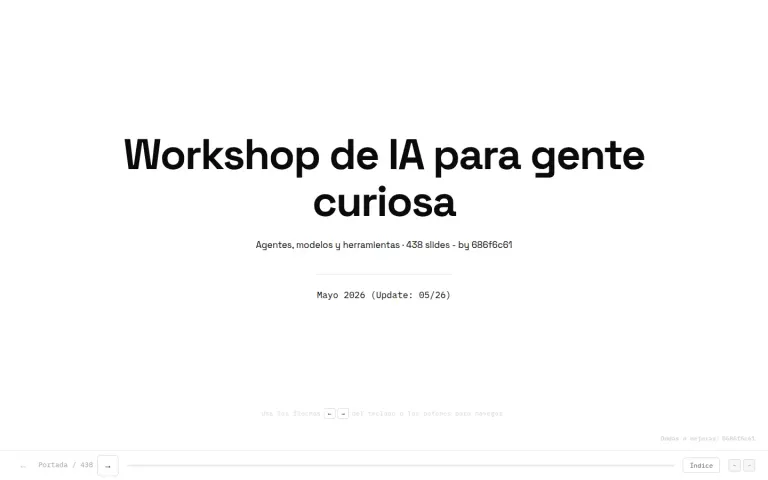
Interactive web presentation of the AI workshop for curious people: 438 navigable slides, from foundations to agents in production.

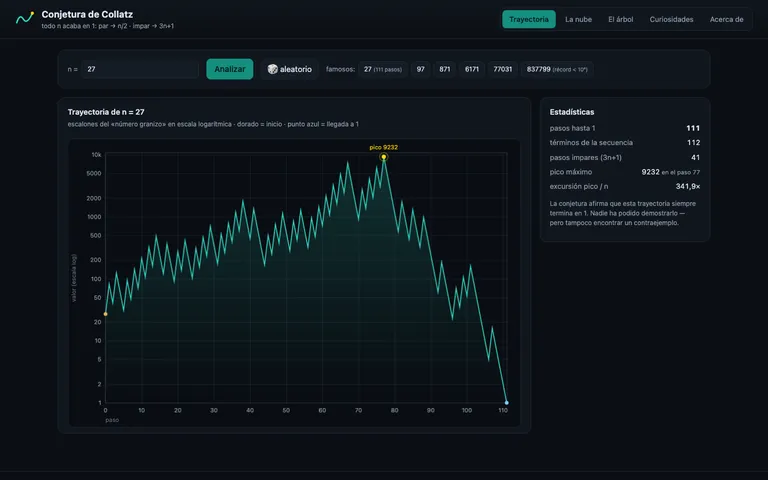
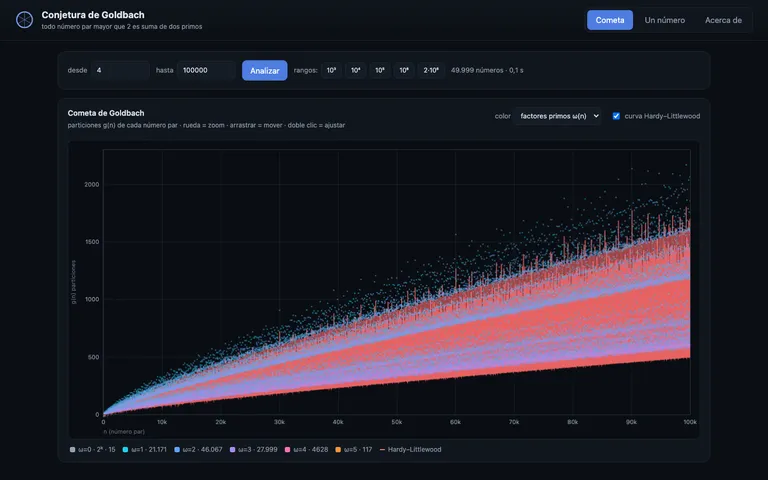
Collatz Conjecture analyzer in the browser: 100,000 numbers, up to 350 steps.

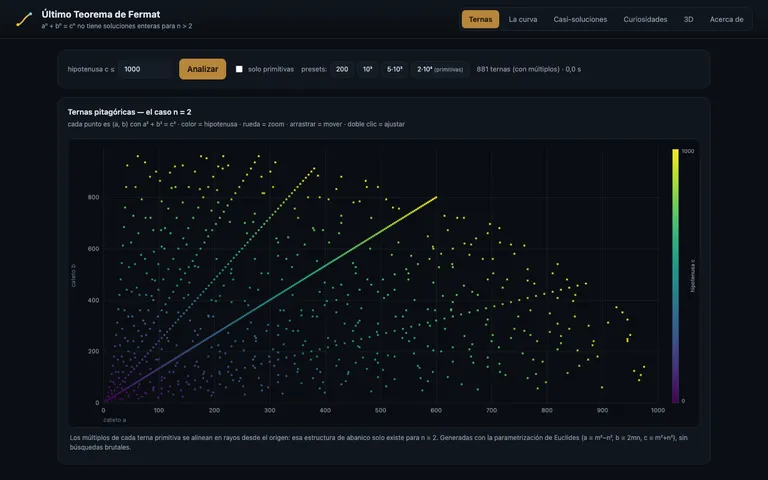
Fermat's Last Theorem visualization in the browser: 881 triples with c ≤ 1000 in 0.2 s.

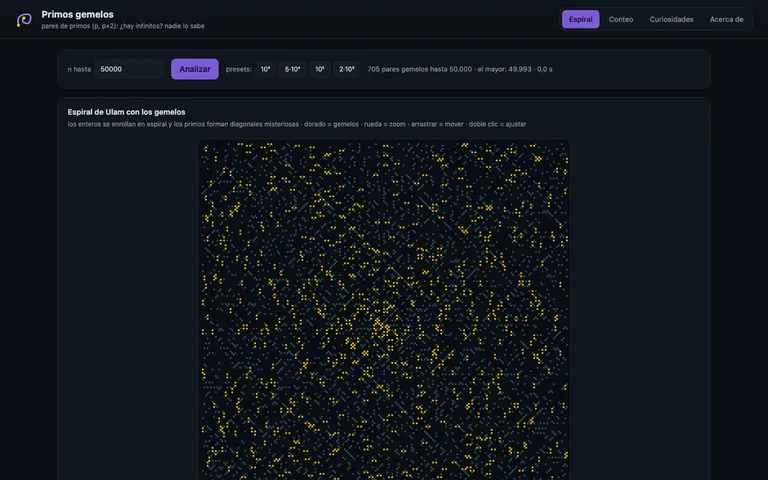
Twin primes in the browser: Ulam spiral, Brun's constant and π₂.


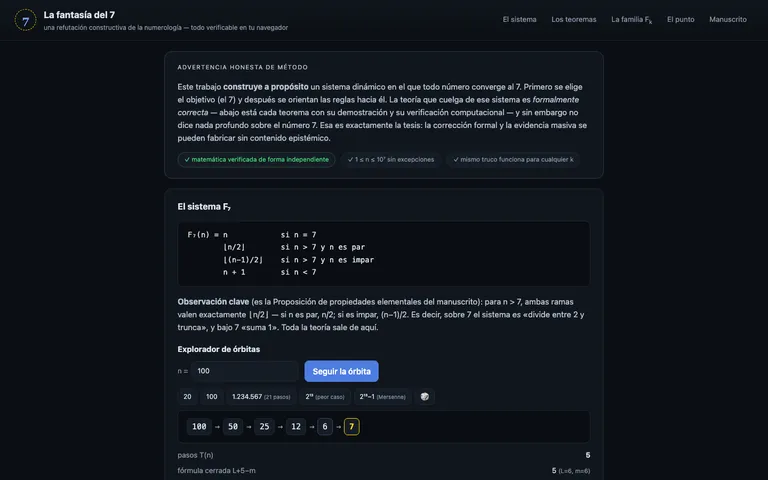
A discrete dynamical system in which every number converges to 7 by design: a constructive refutation of numerology with complete theory and exhaustive verification.

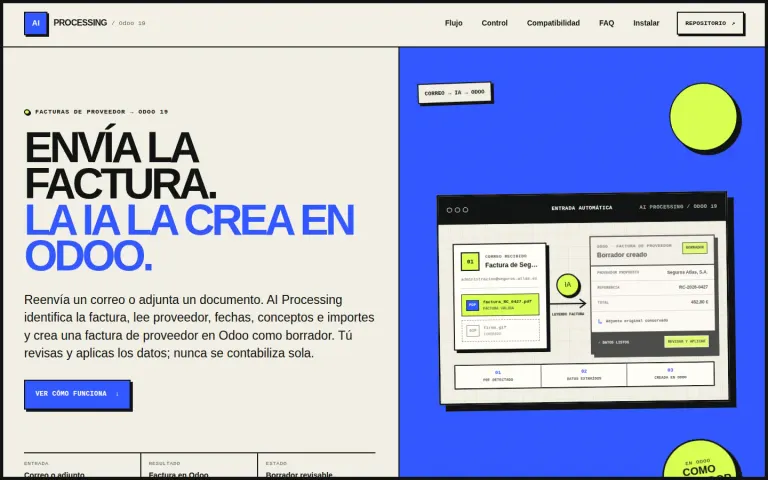
An Odoo 19 module that turns supplier invoice attachments into reviewable drafts: extracts vendor, lines and amounts with AI and never posts on its own.

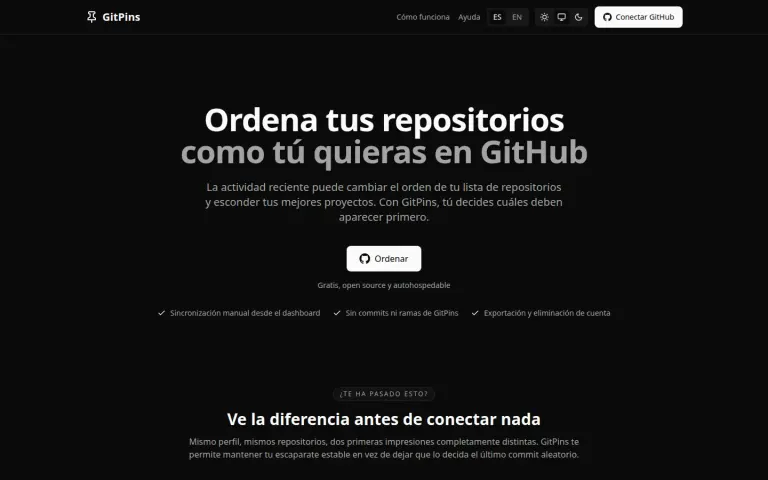
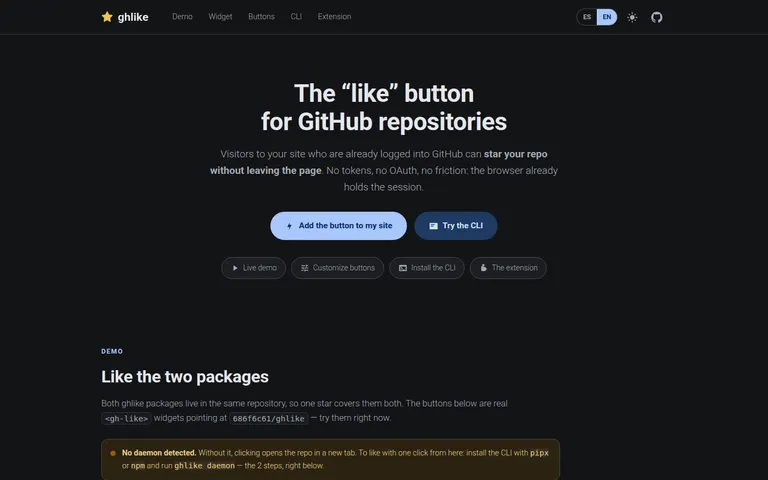
Order your GitHub profile repositories the way you want: up to 100 pins, beyond the native 6.

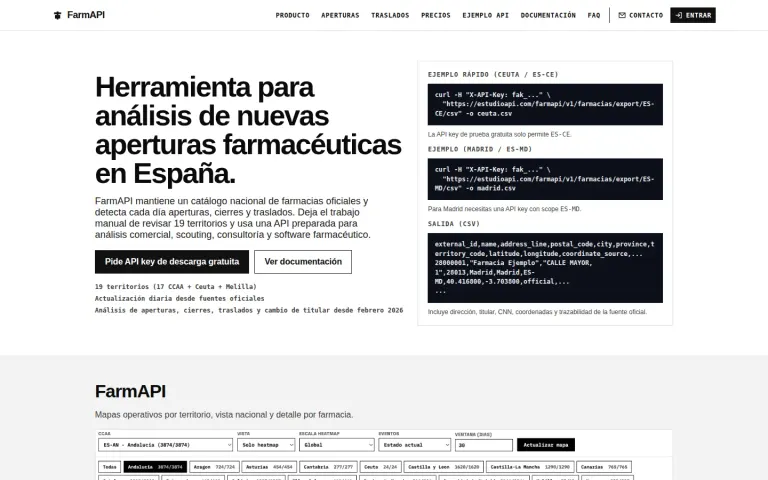
API of pharmacy openings, closures and relocations in Spain, with daily ingestion from 19 official sources.

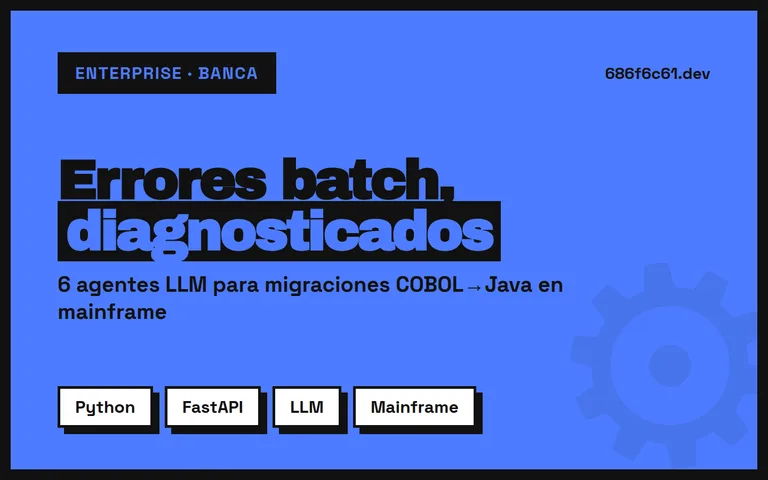
A team of 6 LLM agents that diagnoses mainframe batch errors in COBOL→Java migrations for a Spanish Tier 1 bank: upload a ZIP with logs and stacktraces and it returns root cause and correction plan.
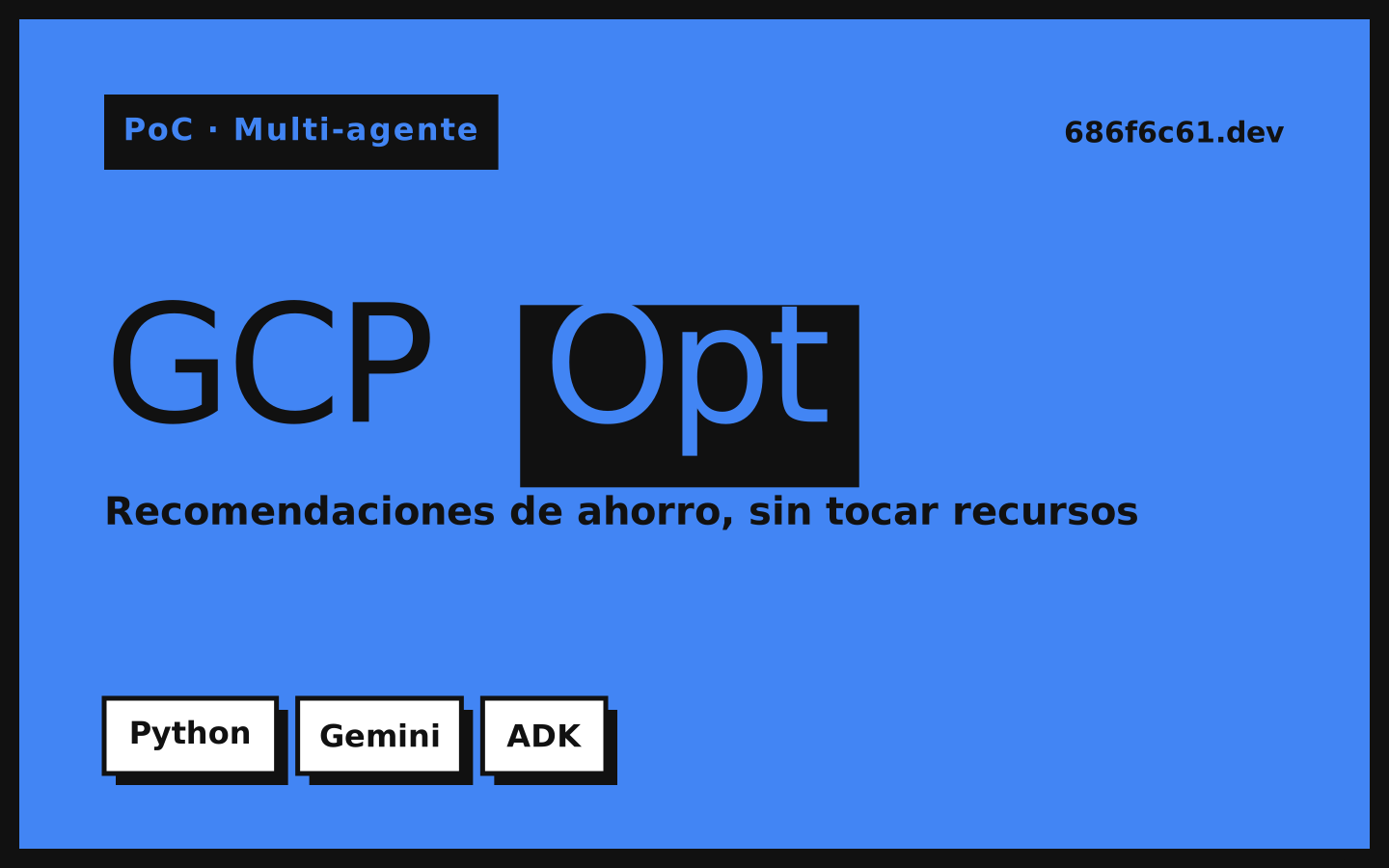
A multi-agent system that analyzes Google Cloud infrastructure and billing, applies deterministic rules and proposes savings with Gemini.
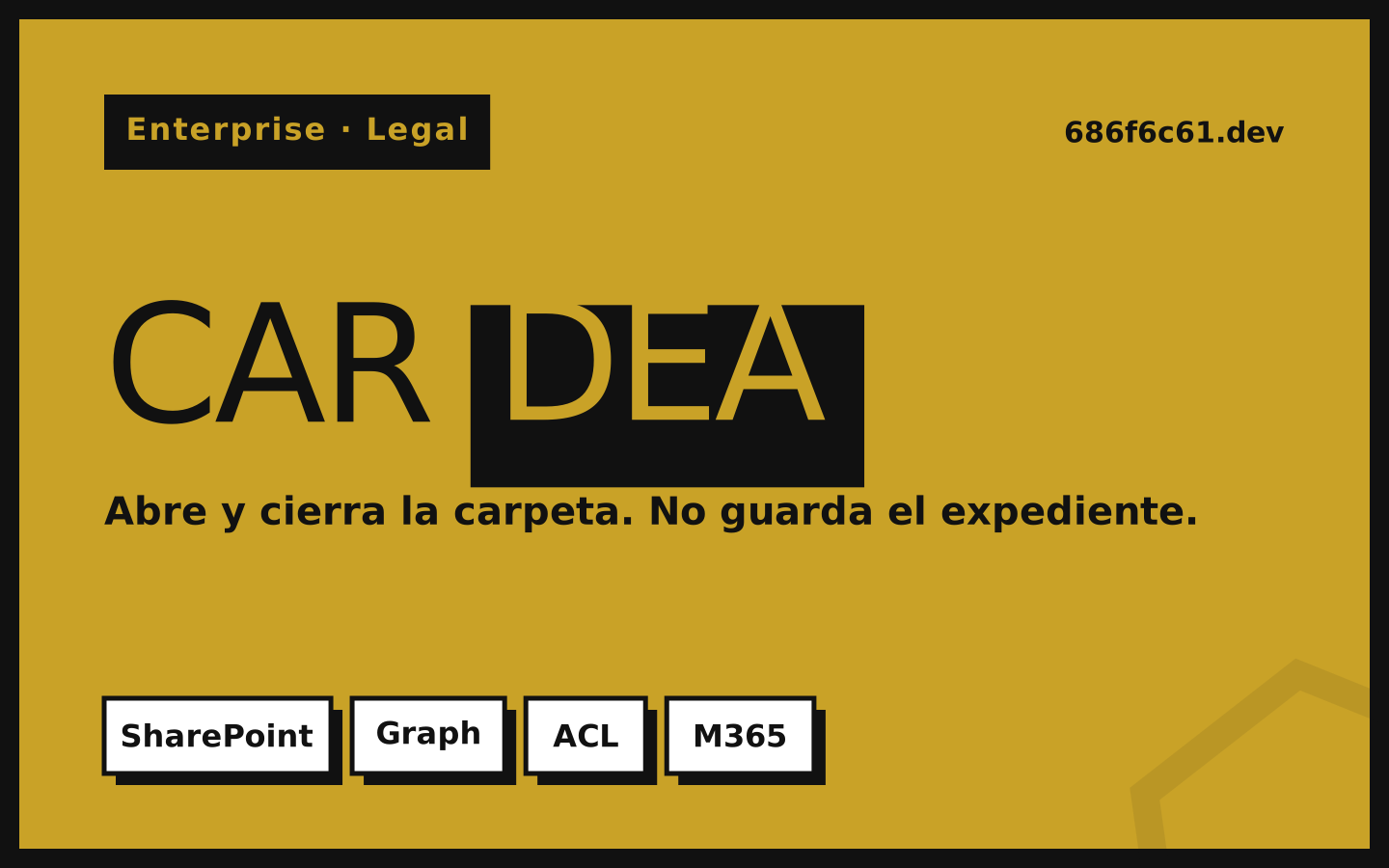
Opens and closes the working folder of each matter in SharePoint for a legal organization of more than 300 people: who gets in is decided by the case file; CARDEA applies it.
A Mattermost plugin with WhatsApp-style read receipts on 1:1 direct messages, with no database of its own.
Desktop app to use WhatsApp Personal and Business at once, with quick switching (Ctrl+1/2), PIN lock and a system tray.
CLI that looks up business hours from the terminal: open/closed, listing, phone and a 24h cache.
GTK4 port manager for "port already in use": it finds, names and kills dev processes without touching critical services.
Apple Music as an Ubuntu desktop app: Chrome in app mode, dedicated profile and a persistent session.
Native menu bar app to manage Homebrew without the terminal: search, install, update and clean.
Native menu bar app for silent fixed-region screen capture, installable with Homebrew.
Go CLI/TUI for macOS that finds development junk (node_modules, DerivedData, Pods…) and deletes it through a guided interface.
A macOS TUI that finds lost Bluetooth devices by following the RSSI signal, with a guided hunt and Spanish/English.

Linux top-bar indicator watching your AI coding agents (Kimi Code, Claude Code, Codex): "needs you" alerts with the exact question, live tokens, context % and daily cost.

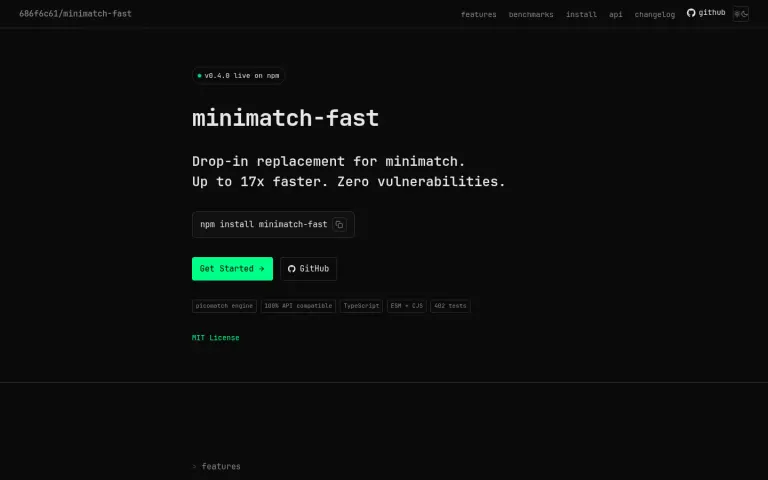
Drop-in replacement for minimatch: up to 17x faster powered by picomatch, passes the 402 original tests and eliminates CVE-2022-3517.

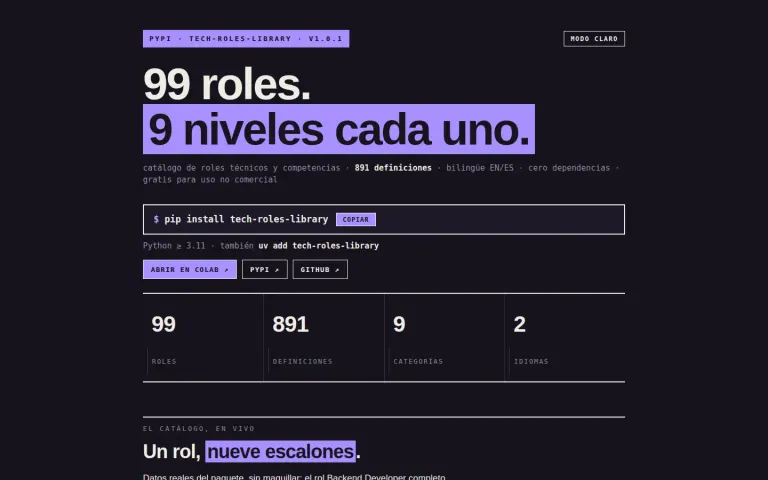
Browsable catalog of 99 technical roles × 9 career levels: 891 bilingual EN/ES definitions, straight from the PyPI package.


Numerology attributes mystical significance to certain numbers based on apparently deep patterns. Rather than refuting such claims case by case, this work adopts the reverse strategy: openly constructing a rigorous mathematical system in which every natural number converges to 7 by design, and developing its complete theory with the same apparatus a conventional paper would display. Universal convergence, an exact closed form, optimal bounds, extremal values, uniform distribution over dyadic octaves and exhaustive verification up to 10⁷: a demarcation experiment between mathematics and pseudoscience.
20 min
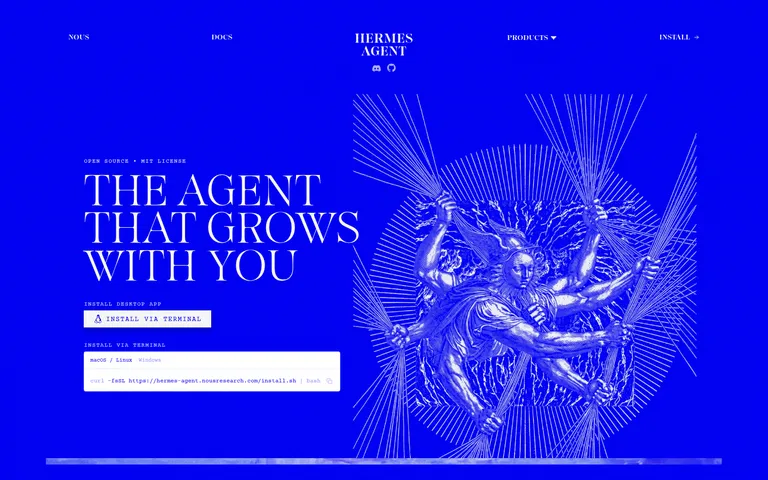
A University department posed a concrete problem to me: moving from model-assisted exploration to a PRISMA review that is methodologically defensible, technically auditable, and deliverable as a real editorial package. That's how I built Hermes: an agent system with rules, files, commands, and material controls. DOI-first, mandatory full text, editorial gate, and memory outside the chat.
14 min
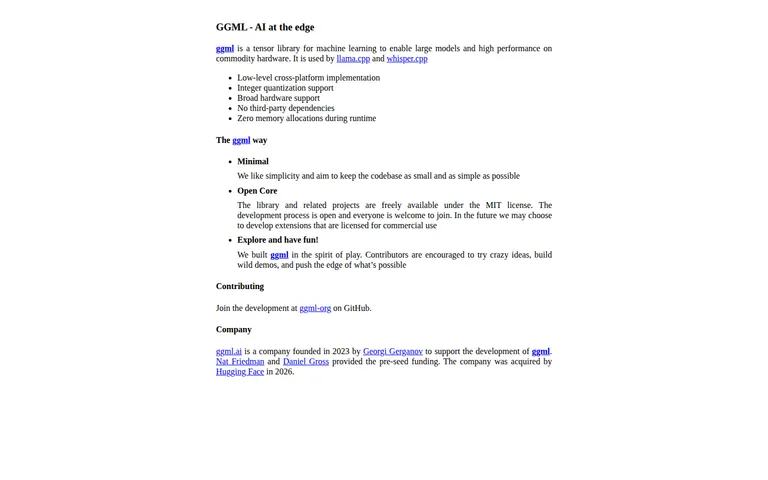
Added thinking content blocks support to the Anthropic Messages API in llama.cpp. Models like DeepSeek-R1 and Qwen3-Thinking now work correctly with Claude Code and other clients following the Anthropic specification.
5 min